
The all-new Porsche Cayenne Electric has officially made its debut in India, combining Porsche’s signature performance and luxury with the growing appeal of the premium electric SUV segment.
It is available in India in two versions at launch: the Cayenne Electric and the more powerful Cayenne Turbo Electric.
What makes the new model interesting is that Porsche has not simply converted the Cayenne into an EV. The company has worked on the battery, charging system, suspension, aerodynamics and cabin to make the electric Cayenne feel like a proper Porsche.
So, what does the new electric SUV offer? Let’s take a closer look at the Porsche Cayenne Electric price, performance, design, colours, interior and safety features.
Porsche Cayenne Electric Price
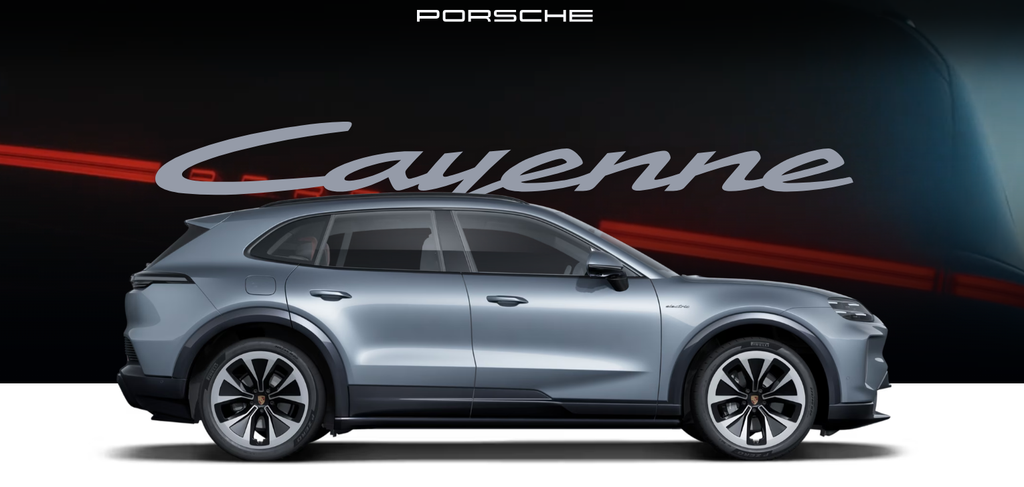
The Porsche Cayenne Electric price puts it firmly in the luxury performance SUV category. In India, Porsche has launched the SUV in two variants.
| Variant | Ex-showroom Price |
| Porsche Cayenne Electric | ₹1.77 crore |
| Porsche Cayenne Turbo Electric | ₹2.28 crore |
The prices include applicable taxes and are based on Porsche India’s latest listed prices.
The standard Cayenne Electric starts at ₹1.77 crore, while the much more powerful Turbo Electric costs ₹2.28 crore. Of course, the final on-road price will be considerably higher after registration, insurance and other charges.
For someone considering an electric luxury SUV in this price range, the Cayenne Electric is not just about having an EV badge. It is aimed at buyers who want Porsche’s driving character without giving up the convenience and practicality of an SUV.
Engine and Performance
Calling it an “engine” would technically be incorrect because the Porsche Cayenne Electric uses electric motors instead of an internal-combustion engine. And this is where things get seriously interesting.
The Cayenne Electric uses an all-wheel-drive setup and can produce up to 442 PS and 835 Nm with Launch Control. It can sprint from 0 to 100 km/h in just 4.8 seconds and achieve an impressive top speed of 230 km/h
| Specification | Cayenne Electric | Cayenne Turbo Electric |
| Drive | All-wheel drive | All-wheel drive |
| Max. Launch Control power | 442 PS | 1,156 PS |
| Max. torque | 835 Nm | 1,500 Nm |
| 0–100 km/h | 4.8 sec | 2.5 sec |
| Top speed | 230 km/h | 260 km/h |
| Battery | 113 kWh | 113 kWh |
| DC charging | Up to 390 kW | Up to 390 kW |
The Turbo Electric produces an 1,156 PS and 1,500 Nm with Launch Control, making it the most powerful production Porsche to date. It can accelerate from 0 to 100 km/h in just 2.5 seconds, delivering an exhilarating burst of performance.
The SUV uses a 113 kWh battery pack and an 800-volt electrical architecture. Under suitable conditions, DC charging can reach up to 390 kW, with 10 to 80 percent charging possible in less than 16 minutes under Porsche’s specified optimal conditions.
Porsche claims a WLTP range of up to 642 km for the Cayenne Electric, although the India model comparison currently lists a 542 km combined WLTP figure for the vehicle-high range configuration. Range can vary depending on equipment, wheels, tyres and testing configuration, so buyers should check the exact specification of their chosen car.
Porsche Cayenne Electric Design
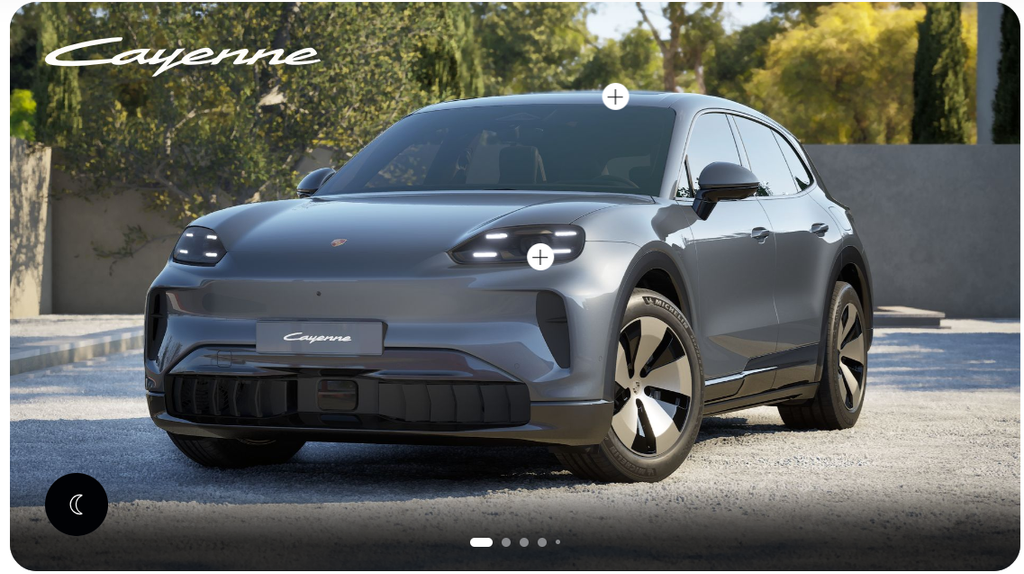
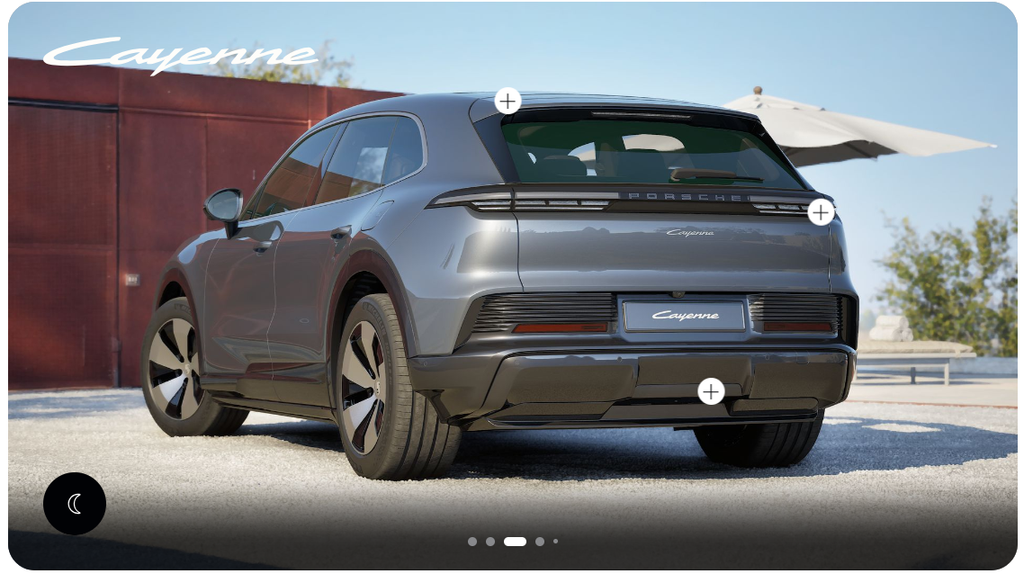
The front gets slim Matrix LED headlights that make the SUV appear wider. The bonnet sits low, while the heavily sculpted front and rear sections give the vehicle a more athletic stance.
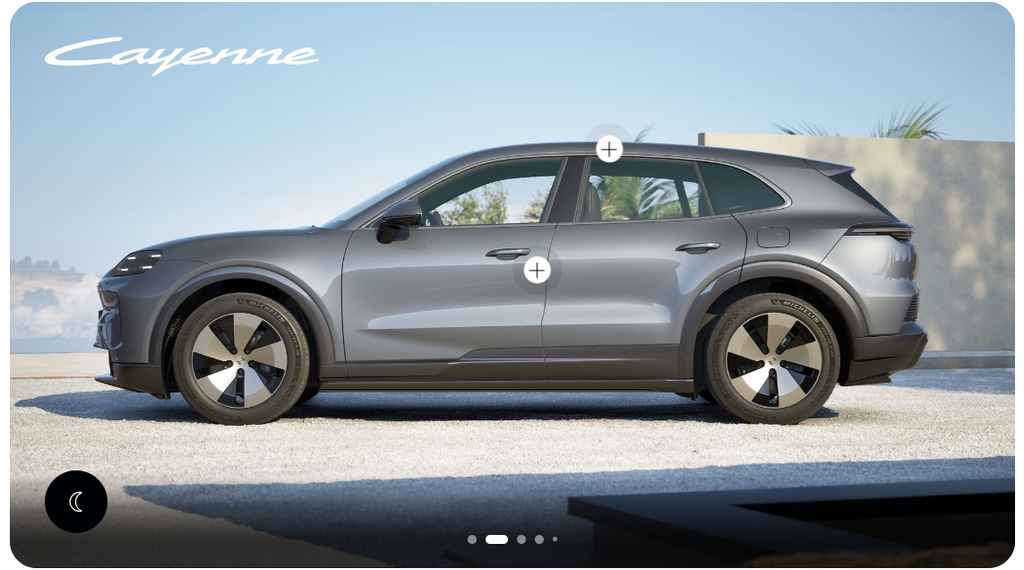
From the side, the Cayenne Electric features frameless doors, muscular wheel arches, and Porsche’s signature sloping roofline, giving it a sleek and sporty appearance. The design is not overly futuristic, which is actually a good thing. Porsche has managed to make the electric Cayenne look modern without losing the identity of the Cayenne family.
At the back, the full-width light strip and illuminated Porsche lettering add a distinctive touch. Depending on the version, buyers can also choose different wheel designs and contrasting exterior elements.
The electric platform also helps Porsche achieve a more flexible packaging layout, while the battery’s integration into the vehicle structure helps lower the centre of gravity.
Colour Options
Porsche currently offers 13 standard exterior colours, including new shades such as Mystic Green Metallic, Monteverde Metallic and Napali Blue Metallic. Buyers wanting something more exclusive can opt for Porsche’s Paint to Sample programme.
With the latest individualisation options, the Cayenne Electric can be ordered in more than 100 exterior shades.
| Colour Category | Examples |
| Standard colours | White and other standard Porsche shades |
| New colours | Mystic Green Metallic |
| New colours | Monteverde Metallic |
| New colours | Napali Blue Metallic |
| Special colours | Paint to Sample shades |
| Customisation | 100+ shades available |
The extensive colour palette is especially attractive to buyers looking for a more distinctive luxury SUV that stands out from the usual black, white and silver shades seen on the roads.
Interior of Porsche Cayenne Electric
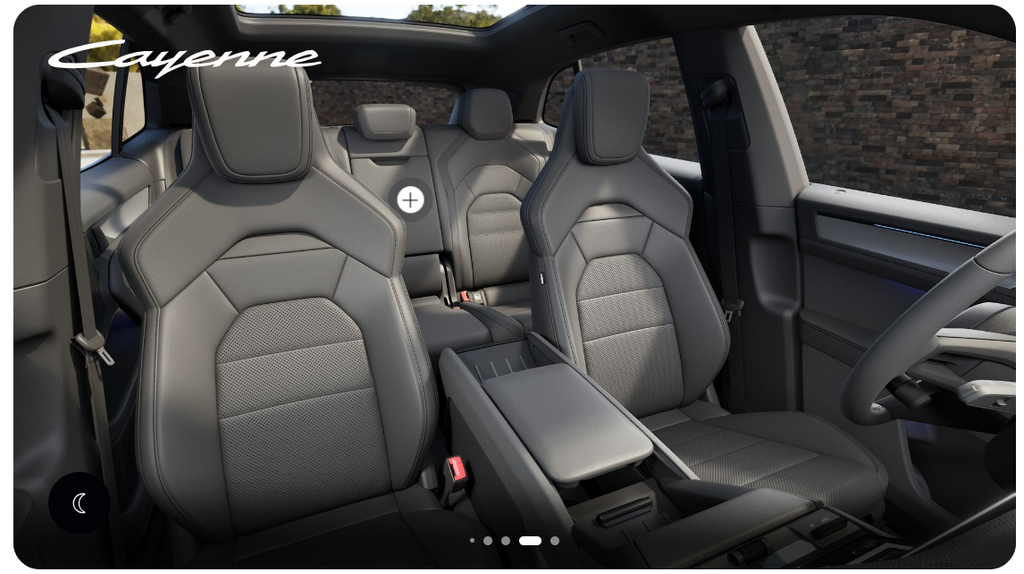
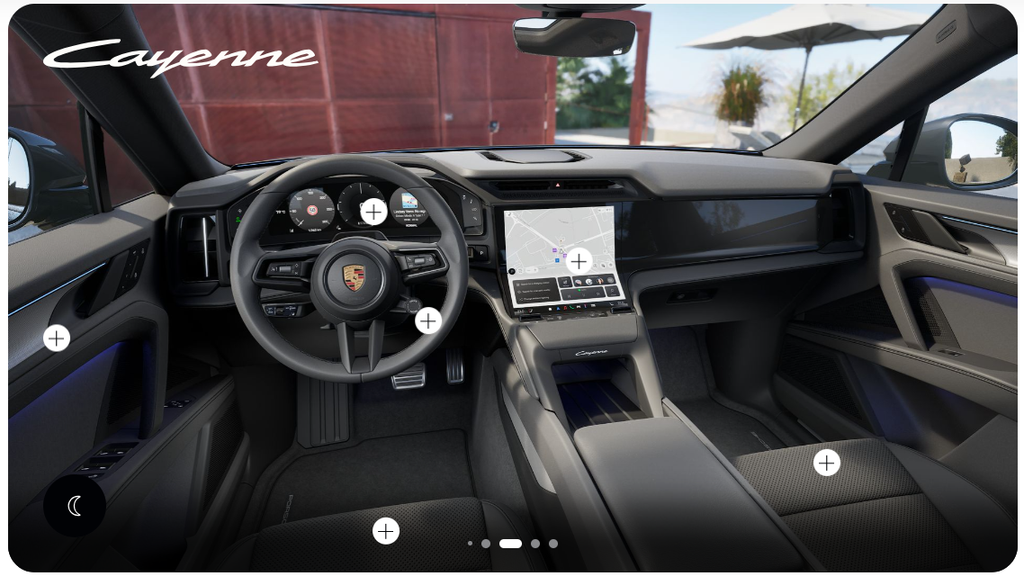
The center piece is Porsche’s Driver Experience, which combines a fully digital instrument cluster with the curved central Flow Display. A 14.25-inch OLED instrument cluster is available, while the optional passenger display measures 14.9 inches. An augmented-reality head-up display is also offered, providing important driving information directly within the driver’s field of view.
However, Porsche has wisely avoided making every function touchscreen-based, retaining a more practical and driver-focused approach. Important functions still have physical controls, which should make the cabin easier to use while driving.
| Storage Area | Capacity |
| Rear luggage compartment | 553–781 litres |
| Maximum rear luggage capacity | 1,588 litres |
| Front luggage compartment | 90 litres |
The Cayenne Electric offers between 553 and 781 litres of rear luggage capacity depending on the rear-seat position, while folding the rear seats increases capacity to up to 1,588 litres. There is also a 90-litre front luggage compartment.
Optional features such as a panoramic sliding roof with Variable Light Control, massage seats and Porsche’s new Wellness Mood Modes further increase the premium feel of the cabin. Porsche also offers an optional wireless charging system, allowing the Cayenne Electric to charge inductively at up to 11 kW without the need for a physical charging cable.
Safety Features of Porsche Cayenne Electric
The SUV supports features covering speed and lane guidance, parking assistance and Lane Change Assist. Porsche’s driver-assistance control lever gives the driver quick access to functions such as Adaptive Cruise Control and distance adjustment.
Key Safety and Driver Assistance Features
- Adaptive Cruise Control
- Lane Change Assist
- Lane guidance assistance
- Parking assistance
- Advanced camera/sensor systems
- Porsche Active Ride
- Porsche Torque Vectoring Plus
- Rear-axle steering
The Cayenne Electric also benefits from the battery’s structural integration. Porsche says the battery modules use a special profile designed to absorb impact energy in a crash.
Final Verdict
Of course, the Porsche Cayenne Electric price is extremely high. At ₹1.77 crore before on-road costs, it is aimed at a very limited group of buyers. The Turbo Electric pushes that figure beyond ₹2 crore, making it a vehicle for customers who are willing to pay heavily for performance and exclusivity.
Overall, if money is not the main concern and you want an electric SUV that delivers Porsche performance, luxury, technology and everyday usability, the Cayenne Electric makes a very strong case for itself. It may be electric, but it certainly doesn’t feel like Porsche has forgotten what makes a Cayenne special.
You can also check-out latest blogs Renault Triber Price 2026, Tata Aeris Price 2026.